The people of the east and their hidden valley
Sherpa means 'people of the east', from shar, east, and pa, people. The Sherpas' ancestors came from Kham in eastern Tibet, crossing the Nangpa La glacier pass west of Thame roughly 500 years ago and settling in Khumbu and Solu. They brought Tibetan Buddhism of the Nyingma school, a language close to Tibetan, and a clan system whose members still marry outside their own clan. For centuries they farmed barley and buckwheat, herded yaks and traded salt and grain across the Nangpa La.
Potatoes, which reached Khumbu in the 19th century, changed the economy, feeding larger villages at high altitude. Monasteries followed: Pangboche, attributed to Lama Sangwa Dorje and considered the oldest; Thame; Tengboche, founded in 1916 with the blessing of Tibet's Rongbuk Monastery; and in Solu, Chiwong around 1920 and Thubten Chholing in 1968, built by lamas who fled Tibet after 1959.
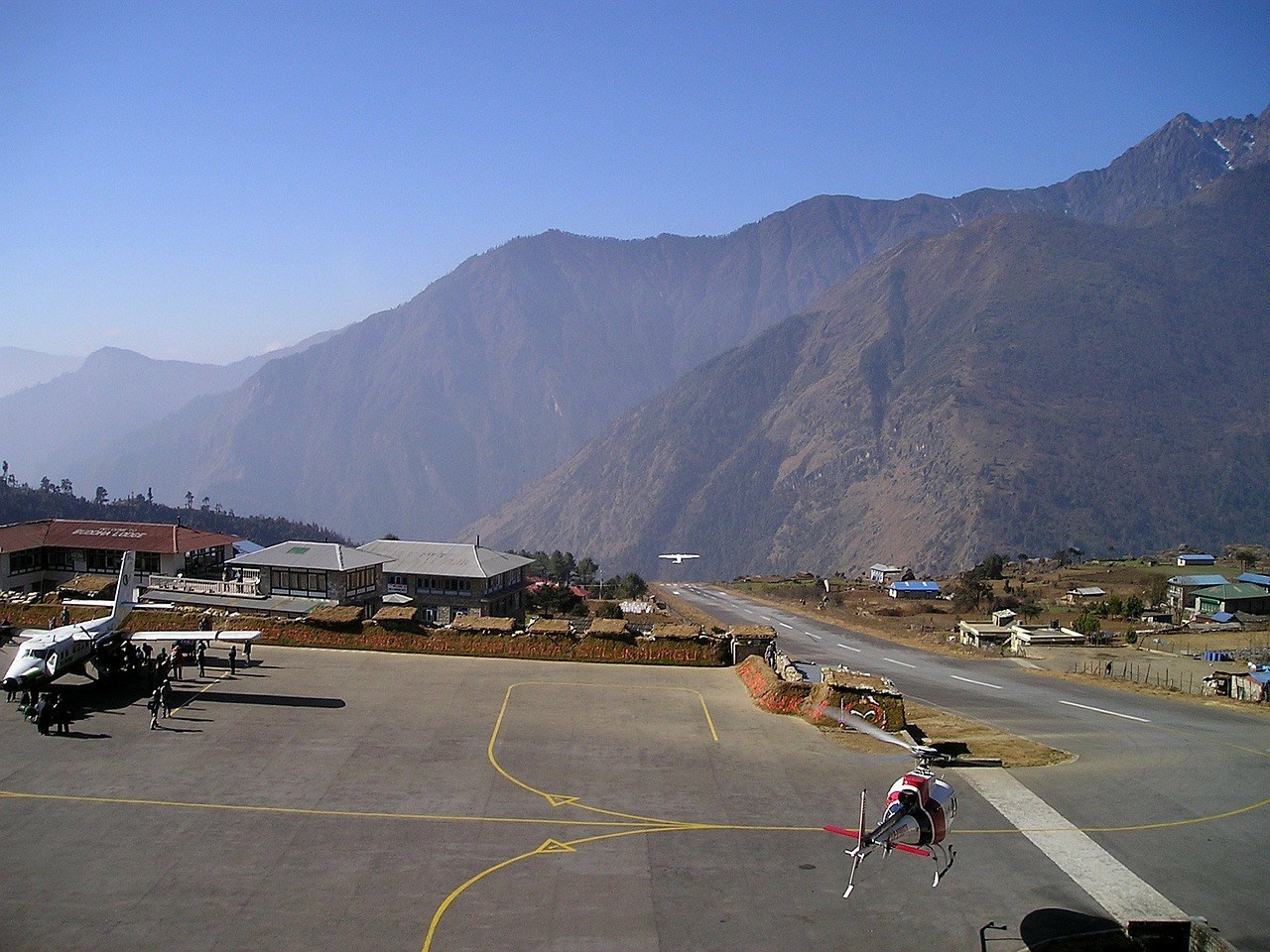
The 20th century brought the climbers. Sherpas walked to Darjeeling to carry loads for British expeditions on the Tibetan side of Everest in the 1920s and 1930s. When Nepal opened to foreigners after 1950, the approach moved to Khumbu, and on 29 May 1953 Tenzing Norgay, who grew up in Thame, and Edmund Hillary reached the summit. Hillary returned again and again; his Himalayan Trust built Khumjung's school in 1961, the Lukla airstrip in 1964 and Kunde's hospital in 1966.
Today trekking and climbing are the economy of Khumbu, with lodges in every village and Sherpa companies running expeditions. The changes bring hard questions: crowding on Everest, rubbish, the risks borne by climbing Sherpas, and a warming climate that grows glacial lakes, as the flood that struck Thame in August 2024 showed. Sherpa families are meeting them with the same mix of faith and practicality that built the valleys.