Asoj 2083 BSअसोज २०८३· Nepal runs on its own calendar

Lumbini & the Buddha's Country · pilgrimage site

Devdaha

देवदह Devadaha (Pali, 'pond of the gods')

Devdaha is a municipality in Rupandehi district, east of Butwal at the foot of the Chure hills, identified with the ancient Koliya capital. Tradition makes it the home of the Buddha's mother Maya Devi, his foster mother Prajapati Gautami and his wife Yashodhara. Its sites spread across farmland; allow half a day.

  • Stay 0 nights
  • Best Oct – Feb
  • तराईTerai
Devdaha
Photo: Sgr1993 · CC BY-SA 4.0, Wikimedia Commons

The air at Devdaha

Altitude180 m2.0% of the way to 8,849 m
BeltTeraiतराई · The plains: sal forest, rice, rhino country
Each breath98%of the oxygen at sea level
Water boils99.4 °Cso dal takes longer here
vs Kathmandu+7.9 °Ctypical difference by height

Oxygen, boiling point and temperature are worked out from the standard atmosphere for 180 m; real days vary with weather.

Queen Maya Devi was walking home to Devdaha to give birth when she stopped at Lumbini. Devdaha is where that journey was meant to end: the town of the Koliyas, her own clan, at the edge of the forested Chure hills about 55 km by road east of Lumbini.

Today Devdaha is a fast-growing municipality of farms, schools and small bazaars along the East-West Highway, and its old sites are scattered. Bhawanipur has a Maya Devi temple and ancient brick remains; Kanya Mai is linked with Prajapati Gautami; Kumarvarti and other mounds hold more ruins excavated by the Department of Archaeology and the Lumbini Development Trust.

It is a place for travellers who want the whole family story of the Buddha, and for anyone happy to spend a half day among village shrines, mango groves and one very large tree.

Why go

Bhawanipur Maya Devi temple

Also called Devidamar, south of the highway, with a temple to Maya Devi, a long stone column, an image of the sun god and an old brick well. Some believe it marks the old Koliya capital.

Kanya Mai shrine

A temple linked with Prajapati Gautami, the Buddha's foster mother. Excavations in 2011 uncovered ruins and sculptures, including a standing Lokeshwor with a lotus, and old potsherds still lie on the nearby mound.

The great pakari tree

South of Khaireni bazaar stands an enormous pakari fig, its branches spreading over a huge area. Local belief links it with the time of the Shakyas, and birds are said never to nest in it.

Devdaha park

The entrance park on the highway has a pagoda, a standing Buddha statue and a gilded image of Sariputra. It is a pleasant first stop and the place to ask locally about the sites.

Chure foothills

Devdaha sits where the Terai plain meets the forested Chure hills. Morning drives along the edge of the forest, with the first ridges behind the fields, show a different landscape from flat Lumbini.

१The story of Devdaha

The mother's side of the Buddha's family

Buddhist commentaries describe the Shakyas of Kapilavastu and the Koliyas of Devadaha as neighbouring clans who married each other's daughters. King Suddhodana married two Koliya sisters, Maya and Prajapati. Maya died seven days after Siddhartha's birth, and Prajapati raised him. By tradition his wife Yashodhara was also a Koliya. Texts say the young prince visited his mother's town, and that the Buddha later stayed here and taught.

The Pali Canon keeps the town's name in the Devadaha Sutta, a discourse given 'among the Sakyans, at a town called Devadaha'. The name, the commentaries explain, comes from a lake that came into being by itself, a pond of the gods, whose water served the royal household.

Modern Devdaha grew with the clearing of the Terai forests and the arrival of hill families in the second half of the 20th century. Excavations at Kanya Mai in 2011 uncovered structural remains and stone sculptures, and the Lumbini Development Trust has been developing the sites for pilgrims. Most of the old Koliya town still lies under fields.

२The legend
As it is told · देवदह

Buddhist commentaries tell that the Shakyas and Koliyas once nearly went to war over the water of the Rohini river, which ran between their lands and which both needed for their fields in a dry year. The Buddha came and asked the two armies which was worth more, water or the blood of warriors. Shamed, they made peace. The story is told at Devdaha as a reminder that both his families were saved from fighting.

३The people

Who lives here

Devdaha's people are a mix of Magar, Gurung, Brahmin and Chhetri families who moved down from Palpa and the western hills, Tharu households and Madhesi farmers. Nepali is the shared language. Most families farm rice, maize, vegetables and fruit; many have relatives working abroad, and Butwal, 15 km west, is the place for jobs, colleges and hospitals.

Local name: Devadaha (Pali, 'pond of the gods')

४Words you will hear
Nepali
दह
daha

Deep pond or pool; Devdaha is the pool of the gods

Nepali
माई
mai

Mother; used for local goddesses, as in Kanya Mai

Nepali
वृक्ष
briksha

Tree, in formal Nepali; locals call the great fig the pakari briksha

Every word on this site

५What to eat

Sel roti

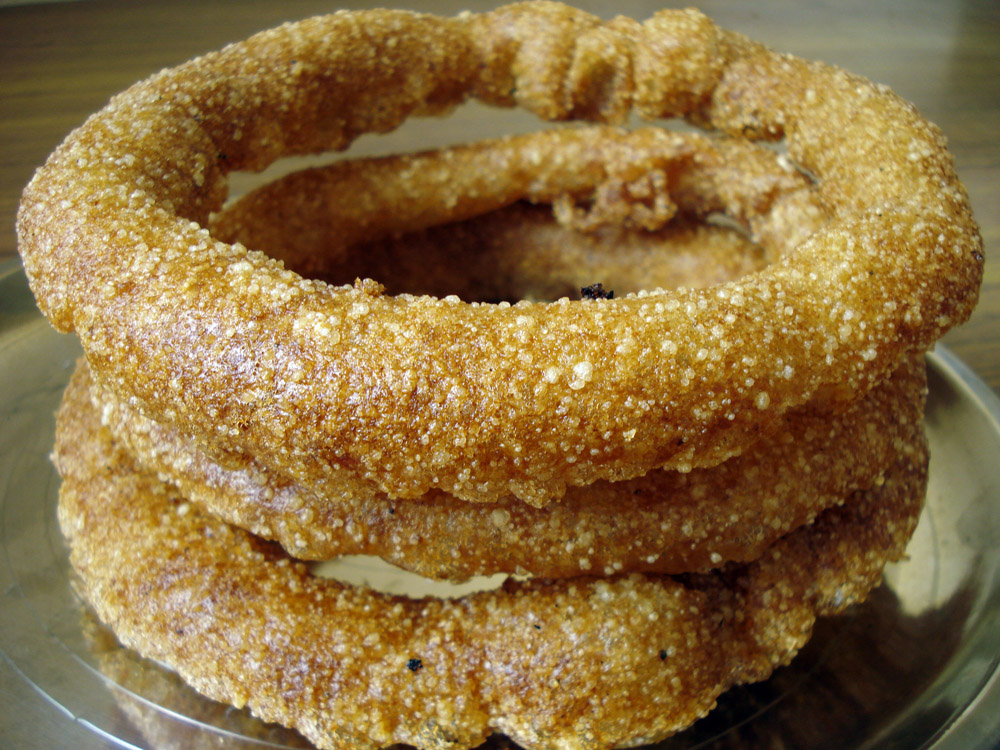
A ring of sweet rice-flour batter deep-fried until crisp outside and soft inside, made in hill households for Tihar and weddings and eaten with tea or curd. In Devdaha's bazaars, set up by families from the hills, it is sold fresh in the mornings.

६Few people know

Things most guides leave out

The Pali name Devadaha means 'pond of the gods'. The commentaries say the pond came into being without human work, so it was called divine, and its water was supplied to the Koliya palace.

Wikipedia: Devdaha

The Devadaha Sutta, number 101 in the Majjhima Nikaya of the Pali Canon, is set 'among the Sakyans, at a town called Devadaha', where the Buddha examined the Jain view of karma and ascetic practice.

Pali Canon: Majjhima Nikaya 101; SuttaCentral

Excavations by the Department of Archaeology and the Lumbini Development Trust at Kanya Mai in 2011 uncovered structural ruins, an old well and stone sculptures, including a standing image of Lokeshwor holding a lotus.

Wikipedia: Devdaha

Untold Nepal, region by region

Getting there

How to reach Devdaha

Road

From Lumbini drive via Bhairahawa and Butwal, about 55 km and 1.5 hours. Devdaha's sites lie east of Butwal along and south of the East-West Highway; Bhawanipur is about 4 km south of the highway. Local buses from Butwal stop along the highway in Devdaha.

Air

Fly Kathmandu to Bhairahawa in about 35 minutes, then drive about 40 km via Butwal, around 1 hour 15 minutes.

Where to stay

Most visitors see Devdaha on a day trip from Lumbini, staying at Buddha Maya Gardens or the Lumbini Hokke Hotel, or stop on the way between Lumbini and Tansen. Butwal, about 15 km west, has a good choice of mid-range city hotels and restaurants and is the most practical overnight base nearby. Devdaha itself has only small local lodges.

Local tips

  • Devdaha's sites are spread over several kilometres of farmland, so use a car or e-rickshaw rather than walking between them.
  • Ask locally for directions to Bhawanipur and Kanya Mai; signposting from the highway is limited.
  • Combine Devdaha with Ramagrama for a full Koliya day, or with Butwal on the way to Tansen.
  • Morning is best: the light is soft at the foot of the hills and the shrines are active.
  • Dress modestly; these are active Hindu and Buddhist places of worship.

On the map

Devdaha and what is near it

Map of Devdaha, Ramagrama, Lumbini, TansenIndiaChinaNepalGandakiDevdaha1DevdahaRamagrama2RamagramaLumbini3LumbiniTansen4Tansen50 kmN
  1. 1Devdaha
  2. 2Ramagrama
  3. 3Lumbini
  4. 4Tansen
Drawn by Book Nepal Trip from Natural Earth outlines (public domain). International borders as depicted by Nepal. Rivers: Karnali, Gandaki and Koshi systems. Not for navigation.

Questions

Devdaha: what travellers ask

Where is Devdaha?

Devdaha is a municipality in Rupandehi district, Lumbini Province, east of Butwal at the foot of the Chure hills. It lies along the East-West Highway, about 55 km by road from Lumbini via Bhairahawa and Butwal, roughly 1.5 hours by car.

Why is Devdaha important to Buddhists?

Devdaha is identified with Devadaha, capital of the Koliya clan and maternal home of the Buddha's mother Maya Devi, his foster mother Prajapati Gautami and, by tradition, his wife Yashodhara. Maya Devi was on her way here when she gave birth at Lumbini. The Pali Canon records the Buddha teaching here.

What is there to see in Devdaha?

The main sites are the Maya Devi temple and ruins at Bhawanipur, the Kanya Mai shrine linked with Prajapati Gautami, Kumarvarti and other excavated mounds, Devdaha park with its Buddha statue, and the great pakari tree near Khaireni bazaar.

How much time do I need in Devdaha?

Half a day covers the main sites by car. A full day lets you add Ramagrama or a slower pace with the pakari tree and the Rohini river. Many travellers see Devdaha on the drive between Lumbini and Tansen.

Can I stay overnight in Devdaha?

Devdaha has only small local lodges. Butwal, about 15 km west, has a wider range of hotels and restaurants and is the practical overnight base. Lumbini, about 1.5 hours away, is the better choice if you want to stay among the Buddhist sites.

Is Devdaha worth visiting?

For pilgrims following the Buddha's family story, yes, because it completes the picture of his mother's side. For general travellers, its sites are simpler than Lumbini's and spread out, so it suits those with a real interest or a day to spare between Lumbini and Tansen.

What is the best time to visit Devdaha?

October to March is most comfortable, with mild days and clear views of the Chure hills. April to June is hot, often above 35 °C. The monsoon from July to September brings heavy rain and can make village roads to Bhawanipur muddy.

How is Devdaha related to Lumbini?

Lumbini lay between Kapilavastu, home of the Shakyas, and Devdaha, home of the Koliyas. Tradition says Maya Devi was travelling from Kapilavastu to her parents' home in Devdaha when she gave birth in the Lumbini grove. The two places are about 55 km apart by today's roads.

Do I need a guide in Devdaha?

It helps. Devdaha's sites are scattered across farmland with limited signposting, and the story connecting them is not displayed at most sites. A guide or driver who knows the area saves time finding Bhawanipur and Kanya Mai and explains what you are seeing.

Plan with a local planner

Tell us your height, we will find the trail

Easy hills or a 5,000 m pass, a week or a month: three short questions and a planner sends a first plan, with the sleeping height of every night and an itemised price.

  1. १Tell us where, when and how high you want to go
  2. २Get a first plan and an itemised price within one working day
  3. ३Change anything until it fits. Pay a deposit only when you book
Plan my Nepal trip